23 Christmas Gifts for Teachers They Actually Want (2026)

Caleb Turner · Head Songwriter & Creative Director
Updated August 29, 2026 · 20 min read
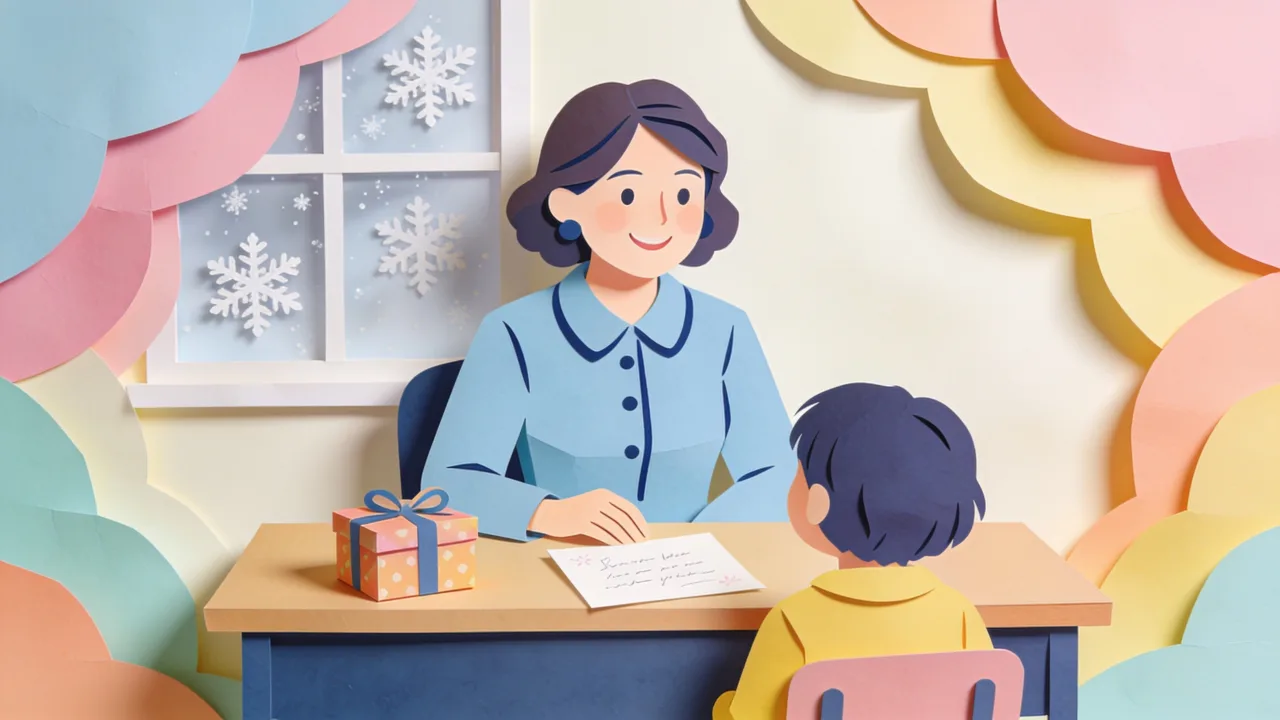
Ask a teacher directly and the answer barely moves: a gift card in a spendable amount ($25 to Target, or the coffee place two blocks from school), something bought straight off the classroom wish list, and a note from your child in their own handwriting. Those three open this list because they win every survey that has ever been run. The rest of the page fills in around them, and one whole group exists for the parents pooling money together. What none of it contains is a forty-first mug.
That number is not a joke. Teacher gift surveys keep landing on the same result, which is that mugs are simultaneously the most commonly received gift and the one educators least want, and long-serving teachers describe cabinets holding dozens of them alongside the apple decor and enough scented candles to open a shop. Meanwhile the same teachers spent an average of $895 of their own money on classroom supplies during the 2024-25 school year, against a median school budget of $200, according to AdoptAClassroom's spring 2025 survey of 3,700 K-12 teachers. That gap is the whole reason a $25 card outperforms a $40 ornament, and it is why every pick below carries a real price band and an honest line about the teacher it does not suit. If you are also shopping for the adults in your own house, our list for a husband this December and our wider notes on gifts built out of a shared history cover the other half of the season.
One of the twenty-three is ours, and it is labeled as ours: a song that says thank you, sitting inside the group about keepsakes rather than dressed up further down the page as a neutral find. I will add the only thing I know better than the rest of this list, having spent years shaping these particular songs: a thank-you song fails the moment it starts listing qualities. Patient, dedicated, inspiring — a verse of adjectives is a card read aloud. What works is one afternoon, described plainly, with the teacher doing something small in it, because the specific scene is what lets a listener supply their own feeling instead of being told which one to have. Weigh it against the other twenty-two. If the honest answer for your family is a pooled gift card and a letter your daughter writes herself, do that instead.
A note on this list: we write custom songs for a living, so one gift below is our own — it is labelled clearly where it appears. Everything else is here because it genuinely works, and we have said plainly when a gift is a bad idea.
What teachers ask for when somebody finally asks
- The one they will definitely use
1.A gift card in an amount that covers a real purchase
Target, Amazon, Visa/Mastercard prepaid · $25–$50
Surveys of teachers keep producing the same winner, and the reason is autonomy: a card lets them buy the thing they have been putting off rather than the thing you guessed at. Twenty-five dollars is the amount most parents land on and it is genuinely enough. The catch is legal rather than emotional, since several states cap what a public-school employee may accept and some ban cash-equivalent cards outright, so read the district handbook before you buy a prepaid Visa.
- Something spent within a week
2.A card for the coffee place actually near the school
Starbucks, Dunkin, the local roaster on the corner · $10–$25
The distinction that matters is walking distance. A card for a chain twenty minutes the wrong way sits in a drawer until June, while one for the shop on the route to the parking lot gets used before winter break ends. Ask your child which place their teacher actually mentions. It is a weak solo gift for a teacher who does not drink coffee, so pair it with a note or pick the sandwich shop instead.
- Zero guessing required
3.Something bought straight off the classroom wish list
Amazon wish lists, DonorsChoose projects · $15–$60
A great many teachers keep a public wish list and never mention it twice because asking feels like begging. Email the room parent or the teacher in early December and ask for the link; almost nobody says no to that question. Items on these lists run from a $15 pack of dry-erase markers to a $60 set of leveled readers. It only fails when the list is stale, so check the dates before you order half of it.
- The invisible expense
4.A Teachers Pay Teachers credit for lesson materials
Teachers Pay Teachers · $10–$50
Most teachers buy at least some of their units, worksheets and centers from other teachers on TPT, out of their own pocket, and it is one of the costs no parent ever sees. A credit there is spent on the actual job within days. It suits an elementary or middle-school classroom teacher squarely. It is a poor fit for a high-school specialist or a coach who builds everything from scratch, where a bookstore card does more.
- A gift with your kid inside it
5.A bookstore card earmarked for the classroom library
Bookshop.org, Barnes & Noble, local bookstores · $20–$50
Classroom libraries are almost always paid for personally and they get destroyed by twenty-five sets of hands per year. A card lets the teacher replace what fell apart and add what this particular group of kids is chasing. Bookshop.org has the advantage of routing the margin to independent shops. Skip it for a math or science teacher with no shelf to speak of, and for anyone whose room you have never actually seen.
Classroom supplies that are gone before spring
- The consumable they hoard
6.Good felt-tip pens, in an indecent quantity
Paper Mate Flair, Pilot, Tombow · $10–$35
Flair pens are the running joke and the running truth of teacher gifting: a 16-count set sits around $10 on sale and a 36-count black pack runs into the thirties, and grading in a pen that does not bleed is a small daily mercy. This is the rare supply gift with genuine affection attached to it. It is a filler rather than a headline, so put it beside a card rather than under the tree alone, and check they are not already drowning in them.
- The stuff schools ration
7.Cardstock, laminating pouches and the printer refill
Astrobrights, Scotch, Staples, Amazon · $20–$60
Copy limits, locked laminators and a color printer nobody is allowed to use are the standard complaints of the job, and bright cardstock plus a box of laminating pouches solves a week of them. Supply prices have jumped hard, with staples like index cards and notebooks up double digits year over year, so this is worth more than it used to be. It lands badly with a paperless high-school teacher, and you need to know the laminator size before buying pouches.
- December, specifically
8.The unglamorous restock: tissues, wipes, sanitizer, bandages
Costco, Sam Club, Target · $15–$40
Nothing about a warehouse pack of tissues feels like Christmas, and every elementary teacher in America runs out of them in January and buys more with their own card. Wrap it as the second box rather than the only one and add a line in the note admitting it is unromantic. It is close to useless for upper grades, and pointless if the school actually supplies these, which a minority genuinely do.
- A gift that outlives the year
9.A book for the classroom shelf with a plate inside the cover
Local bookstores, Bookshop.org, Scholastic · $12–$30
Buy the book your child loved this fall, write "donated by" and the date on the inside cover, and it stays in that room for a decade being read by kids who never met you. Teachers describe these as the gifts they can still point to years later. Ask what the shelf is missing first, because a duplicate is dead weight. It also does nothing for a teacher who moves classrooms or grade levels every August.
Things that get somebody through an actual school day
- The 7:15 coffee at 11:40
10.An insulated tumbler that survives being abandoned until lunch
Yeti Rambler, Stanley, Hydro Flask · $30–$50
The teaching day does not have gaps in it, which is why a drink poured before homeroom is stone cold by the time anyone gets back to it. A vacuum tumbler in the $30 to $50 band fixes that permanently and gets carried daily for years. Buy it plain or with a small monogram; the ones covered in slogans about surviving on caffeine are the ones that end up in the donation box. Redundant if they already carry one, and most do by now.
- The desk they never leave
11.A mug warmer for the coffee that goes cold at 8:40
Ember, Mr. Coffee, VOBAGA · $15–$130
A basic electric warming plate costs about $15 and a temperature-controlled Ember mug climbs past $100, and both solve the exact problem a fortieth mug creates. It is one of the few desk objects teachers request by name rather than tolerate. Check there is a spare outlet near the desk, since older buildings genuinely run short. Useless to a teacher who moves between rooms all day or teaches gym.
- A twenty-two minute break
12.Lunch from somewhere near school, already paid for
Local delis, Panera, DoorDash credit · $20–$50
Teacher lunch is frequently eaten standing up in under half an hour, and a prepaid card for a place that delivers to the office turns two of those into something better. Pick somewhere within a mile of the building or it will not get used. This is also the discreet choice when you suspect money is tight at home. It reads as slightly impersonal on its own, so it needs the note more than most gifts here do.
- Three-o-clock survival
13.The desk drawer, restocked with things worth eating
Trader Joe, Costco, local bakeries · $20–$45
Every teacher keeps an emergency drawer, and by December it holds one crushed granola bar. Filling it with sealed, shelf-stable things they would not buy themselves — good nuts, decent chocolate, real crackers — gets used within weeks. Keep it commercially packaged rather than homemade, since a surprising number of teachers quietly discard home-baked food from families they do not know well. Ask about allergies through the room parent first.
Keepsakes from the child, which are the ones they keep
- The gift that outlasts every other one
14.A letter from your child, handwritten and specific
Any card, plus twenty minutes · $3–$10
Retired teachers describe folders of student notes spanning entire careers, pulled out and reread during bad weeks, and no purchased object on this page competes with that. The whole trick is specificity: one sentence naming a real moment beats a page of thank you so much for everything. Have your child write it themselves, mistakes intact, and do not correct the spelling. It falls flat only when a parent ghostwrites it, which teachers spot immediately.
- The room they stare at all day
15.Your child's artwork or writing, framed properly
Framebridge, Michaels, local framers · $25–$120
Take the drawing or the poem your child made this fall, have it matted and framed rather than taped to a wall, and it hangs behind a teacher desk for years. A ready-made frame from a craft store keeps this near $25 while custom framing runs past $100. It works best from a younger child whose work has real character. It is awkward from an older student, where the same instinct is better served by a letter.
- The pooled version of the note
16.A class book with one page from every student
Shutterfly, Mixbook, or a three-ring binder · $25–$60
One parent collects a page from each child — a drawing, a memory, an answer to the same question — and binds it. Printed photo books land around $25 to $60 and a binder costs almost nothing. Teachers rank these near the top of everything they receive, and they cost each family nothing but an evening. The failure mode is coordination: start in mid-November, because chasing twenty-two families through December does not work.
- The year, said out loudThis one is ours
17.A song written about what this teacher did for your child
Your Eternal Song
Ours, and flagged as such. Roughly five minutes of questions is the whole input — the grade, what your child was like in September and what changed by March, the sentence they repeated at dinner, whether folk or gospel or country suits the person — and real songwriters write an original song from that and record it with real vocals, back inside 24 hours. It suits the teacher who genuinely turned a hard year around. It is too much for a teacher you have met twice, and it should never be played to a class without asking them first.
The group gift, when the parents pool money
- Twenty families, one envelope
18.One pooled card at a weight no single family could give
GroupTogether, SignUpGenius, a shared payment pool · $100–$400
Twenty households at $10 to $20 each produces something a teacher can genuinely do something with, and it removes the quiet comparison between the family who gave $50 and the family who gave $5. Collection tools handle the awkward part of chasing people. Two rules make it work: contributions stay optional and unpublished, and the card is signed from the whole class, including the children whose families gave nothing.
- Something the room keeps
19.The expensive thing off the classroom wish list
Amazon wish lists, school supply catalogs · $80–$400
Flexible seating, a document camera, a decent rug, a set of headphones — the items sitting unbought at the bottom of the list because no individual parent gets there. A pooled group clears one in an afternoon. Confirm with the teacher first, since furniture and technology often need approval from the building. It is the wrong call for a teacher who has hinted they want to be treated as a person rather than as a classroom.
- Being celebrated as a human
20.A massage, a haircut, or an evening with the sitter covered
Local spas, salons, restaurant cards · $80–$250
A recurring theme in teacher gift surveys is wanting to be treated as a person for once rather than as a role, and a pooled spa or restaurant gift does that better than anything with a chalkboard font on it. Book somewhere near where they live rather than near the school. Choose the open-value card over a specific booked treatment, because guessing at someone body preferences is a trap, and skip it entirely if the group barely knows them.
For a teacher you barely know, or a district with a hard limit
- Every teacher, every year
21.A short note that names one specific thing
A card and your own words · $3–$10
When the budget is nothing or the rules forbid almost everything, a card describing one concrete thing you noticed still counts as a real gift, and teachers say so constantly. Name the moment: the reading group, the week after the move, the phone call you were not expecting. Two sentences of that beat a paragraph of praise. It fails only when it is generic, at which point it becomes another signature on a pile.
- Small, spendable, gone by February
22.Good coffee or loose tea in a small bag
Local roasters, Trade, Harney & Sons · $15–$30
A twelve-ounce bag from a roaster in your town is inexpensive, obviously chosen, and leaves nothing behind to store, which is the underrated virtue of every consumable on this page. It clears most district value limits comfortably. Check with the office whether they drink it before buying whole beans, and remember that decaf and herbal tea make this work for someone who has cut caffeine.
- A room with one window
23.A plant that can survive a classroom
The Sill, local nurseries, hardware stores · $15–$45
Pothos, snake plants and ZZ plants tolerate fluorescent light, weekend neglect and two weeks alone over winter break, which almost nothing else does. A small potted one runs $15 to $45 and quietly improves a room that has none. Anything needing real sun or weekly attention becomes a chore with a bow on it. Do not send one to a teacher who has mentioned allergies or a strict no-clutter desk.
How to choose when there are four teachers and one budget
Most families are not buying for one teacher. There is the classroom teacher, the aide who is with your child half the day, the specialist your kid adores, the bus driver, and by fourth grade a coach. Trying to give all of them a real present produces five weak gifts and a bill nobody enjoyed. The workable approach is triage rather than fairness. Decide which one person genuinely changed something this year and put most of the budget there; everyone else gets a card that says one true thing and, if you can, ten dollars of coffee. Teachers are not comparing envelopes, and the aide who gets a specific handwritten line about how your son settled down in her group is not being short-changed, because that line is the part that gets kept.
The second rule is that the best teacher gift is usually two things stapled together: something spendable and something written. The spendable half solves an actual problem, because the person you are buying for covered hundreds of dollars of classroom costs out of their own salary this year. The written half is what survives, and it should come from the child rather than from you. That split explains why the strongest picks here are unglamorous — a card and a letter, a bag of coffee and a note — and why the objects that fail are almost all attempts to be the whole gift on their own. The same logic runs through the songs people write to say thank you: the ones that land are never about gratitude in general, they are about one person on one particular afternoon.
That is also the honest case for the personal option on this page, along with its limits. A gift made out of what actually happened in that classroom cannot be bought for anybody else and does not need a receipt taped to the bottom, which is why it stays. What it cannot do is substitute for judgment about the relationship. A song for a teacher you exchanged four emails with is heavier than the relationship can carry, and it can leave a professional feeling obligated rather than thanked — which is the opposite of the intended effect. Keep it for the teacher whose name your family will still be saying in five years, and keep it away from anyone whose district has a strict ceiling on gift value. If you would rather build something yourself, our walkthrough on putting a song together from scratch covers the same groundwork, and what a thank-you song is actually for shows the shape it takes when somebody else does the writing.
- Pick one teacher to spend real money on and give the rest a specific written line.
- Pair something spendable with something the child wrote; either alone is half a gift.
- Check the district handbook before buying a prepaid card or anything over about $50.
- Ask the room parent for the wish list link — it removes all the guessing in one email.
- Anything homemade or edible needs to be sealed and commercially packaged to get eaten.
- If it will need dusting, watering or storing, ask whether you are handing over a chore.
What not to give, and the rules nobody explains to parents
The re-gift pile is remarkably consistent from one school to the next: mugs above everything, then scented candles, hand lotion and soap, apple-shaped anything, desk knickknacks, and decor bearing the phrase about being the world's best teacher. None of it is offensive and all of it gets accepted warmly, which is exactly why the pattern never corrects itself. The underlying problem is that each of these objects speaks to the role rather than the person, and a teacher receiving her twentieth candle understands perfectly well that she was shopped for as a category. The test before you buy is simple and slightly brutal: would this gift make sense for this specific adult if she worked in insurance?
Homemade food is the second trap, and it is a delicate one because it is given with total warmth. Plenty of teachers quietly discard baked goods from households they do not know, for reasons that range from allergies to a stomach bug going through a class of six-year-olds, and none of them will ever tell you. Sealed, store-bought and clearly labeled travels much better. The third trap is clutter with a hook on it, meaning anything that has to be hung, watered, dusted or stored in a classroom where storage is the scarcest resource in the building. And if the teacher in question is finishing a long career rather than a long year, the register changes completely — the notes on gifts for someone closing out a career apply far better than any December list does.
Then there are the actual rules, which almost nobody hands parents. Public-school employees are covered by state ethics law as well as district policy, and the limits are real: Massachusetts bars a public employee from accepting any single gift worth $50 or more but permits a class gift of up to $150 in aggregate provided it is identified only as coming from the class, and Seattle Public Schools draws the same individual line at under $50 with a $100 ceiling per giver across a school year. Cash is close to universally prohibited, and general-purpose prepaid cards are treated as cash in many places, though cards restricted to classroom supplies are usually fine. Two minutes in the district handbook, or one email to the office, settles it. That is also the moment to check whether the person is retiring in June, since a career ending deserves its own gesture — the songs written for people leaving a job are a decent map of how people say that.
- No mugs, no candles, no lotion, no apple decor, no world-best-teacher anything.
- Homemade food gets thrown away more often than anyone admits — buy it sealed.
- Cash is almost always banned, and prepaid Visa cards often count as cash.
- Massachusetts: no single gift of $50 or more, but a whole-class gift may reach $150.
- Skip anything that needs to be hung, watered, dusted or stored in a full classroom.
Timing, coordination, and how to actually hand it over
December and June are different gifts, and treating them as interchangeable is why one of them always feels thin. The Christmas gift arrives mid-relationship, when there is still half a year left, so it works best as something useful: the card, the supplies, the coffee, the drawer restock. The June gift is a closing statement and is where the keepsakes belong, because by then you know what the year actually was. If you are only doing one, do June. If you are doing both, keep the sentimental one for the end and let December be practical — the same instinct that makes the songs people choose for graduations land in June and feel premature in December.
Group gifts need starting earlier than feels necessary. A pooled card or a class book requires two to three weeks of nudging twenty-odd families, so mid-November is the honest deadline for a December handover. Assign one organizer, publish a suggested range rather than a required amount, never circulate who gave what, and put every child's name on the card regardless. If somebody wants to give separately as well, that is fine and should not be discouraged; the pooled gift is meant to lower the floor, not to set the ceiling. The awkward case is the family that cannot contribute at all, which is exactly why the amounts stay private and the signatures stay universal.
The handover itself takes ten seconds and most people waste them. Do not pile everything on the desk during the last hour of the last day, when the room is chaos and thirty presents arrive at once and nothing can be read. Send it the morning before, or have your child hand it over at drop-off with the note on top, because the note is the part that needs a quiet moment and the object is the part that does not. If the gift is a recording, send the link privately rather than playing it to a room full of children, and let them hear it alone the first time. And if it is a farewell year rather than a Christmas — a class moving up, a teacher retiring, a family leaving the district — our guide on writing a song for the end of a school year covers what to put in it and, more usefully, what to leave out.